Before we explore the quickest methods of healing, it’s crucial to understand what a stress fracture is. Stress fractures are tiny cracks in a bone that occur over time due to repetitive force, often from overuse, such as repeatedly jumping up and down or running long distances. Stress fractures are common in weight-bearing bones of the foot and lower leg, but can occur in other areas. Especially for people who participate in high-impact sports like basketball or distance running. A stress fracture occurs when muscles become fatigued and can’t absorb added shock. Eventually, the fatigued muscle transfers the overload of stress to the bone causing a tiny crack called a stress fracture.
Signs and Symptoms
Symptoms of a stress fracture include pain during or after normal activities. This pain (normally described as sharp) tends to get worse rather than easing off as the aggravating activity progresses. Swelling on the top of the foot, outside of the ankle or shin bone can occur. Tenderness to touch at the site of the fracture, and possible bruising can also be felt and observed. If you experience any of these symptoms, it’s essential to seek medical attention via a sports therapist, physical therapist or doctor promptly.
Medical Intervention for Stress Fractures
Medical intervention is crucial in managing a stress fracture. Firstly, an MRI (Magnetic Resonance Imaging) is the gold standard diagnostic scan to determine whether you have a stress fracture or not. It’s important to be aware that stress fractures are not always picked up on X-ray. At Sports Therapy One, we have the facility to refer on for fast turnaround MRI scans, so you can be sure we’re treating the correct condition. Following diagnosis, A doctor will likely recommend over-the-counter pain relievers such as ibuprofen or acetaminophen to manage pain and inflammation. In some cases, a splint, brace, or cast to immobilise the injured bone and facilitate healing.
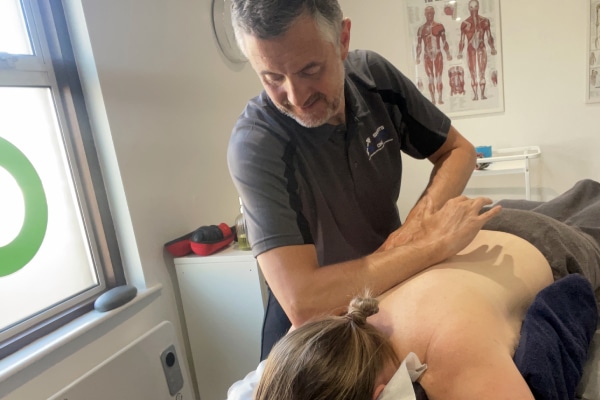
Physical therapy is another essential part of the healing process. A Physical Therapist or Sports Therapist can guide you through exercises that strengthen your bones and muscles without causing further injury. They can also help you modify your exercise routine to prevent future stress fractures.

If you’ve been diagnosed with a stress fracture, you’re likely eager to get back on your feet as quickly as possible. The first step towards healing a stress fracture is rest. This might seem obvious but continuing with your regular physical activities will only worsen your condition. Rest gives your body time to start repairing itself naturally.
Another immediate step is applying ice packs on your injury for 15-20 minutes at a time every two to three hours for several days or until pain subsides. Ice helps reduce swelling and numb pain. You should also elevate your injured limb whenever possible especially within the first 24 hours after injury. Elevation helps reduce swelling by allowing fluids that might have accumulated at your injury site to drain away.
Nutrition for Bone Healing
Your diet plays a significant role in how quickly you recover from a stress fracture. Consuming enough calcium and Vitamin D is crucial for bone health. Calcium-rich foods include dairy products like milk, cheese, and yogurt, as well as leafy green vegetables like broccoli and kale. Vitamin D helps your body absorb calcium and can be found in fatty fish, cheese, egg yolks, and fortified foods.
Protein also plays an essential role in bone healing by helping build new bone tissue. Include lean meats, poultry, fish, beans, eggs, and nuts in your diet to ensure adequate protein intake. For those with diet sensitivities, we’d always recommend working with a licenced dietitian for optimum results.
NB: Allergy sufferers would be recommended to work with your health professional or a registered dietician to help with obtaining an optimum bone health diet.
Preventing Future Stress Fractures
As an old saying goes, “prevention is better than cure”. To prevent future stress fractures:
1. Gradually increase your activity level: If you’re starting a new fitness program or sport, start slow and gradually increase your intensity level.
2. Use proper equipment: Wear appropriate footwear that provides enough support for your activities.
3. Cross-train: Varying your workouts can help avoid overuse injuries like stress fractures.
4. Strength training: Strengthening muscles surrounding the bones can help absorb the impact of physical activities.
In conclusion
While there’s no magic pill for instantly healing a stress fracture, combining rest with medical intervention, physical therapy and a high-quality nutrition can significantly speed up recovery. Remember, it’s crucial to listen to your body and give it enough time to heal fully before resuming intense physical activities. If you’re unsure about anything, why not get in touch with us at Sports Therapy One and we’d be only too happy to advise you further.